Skip to content
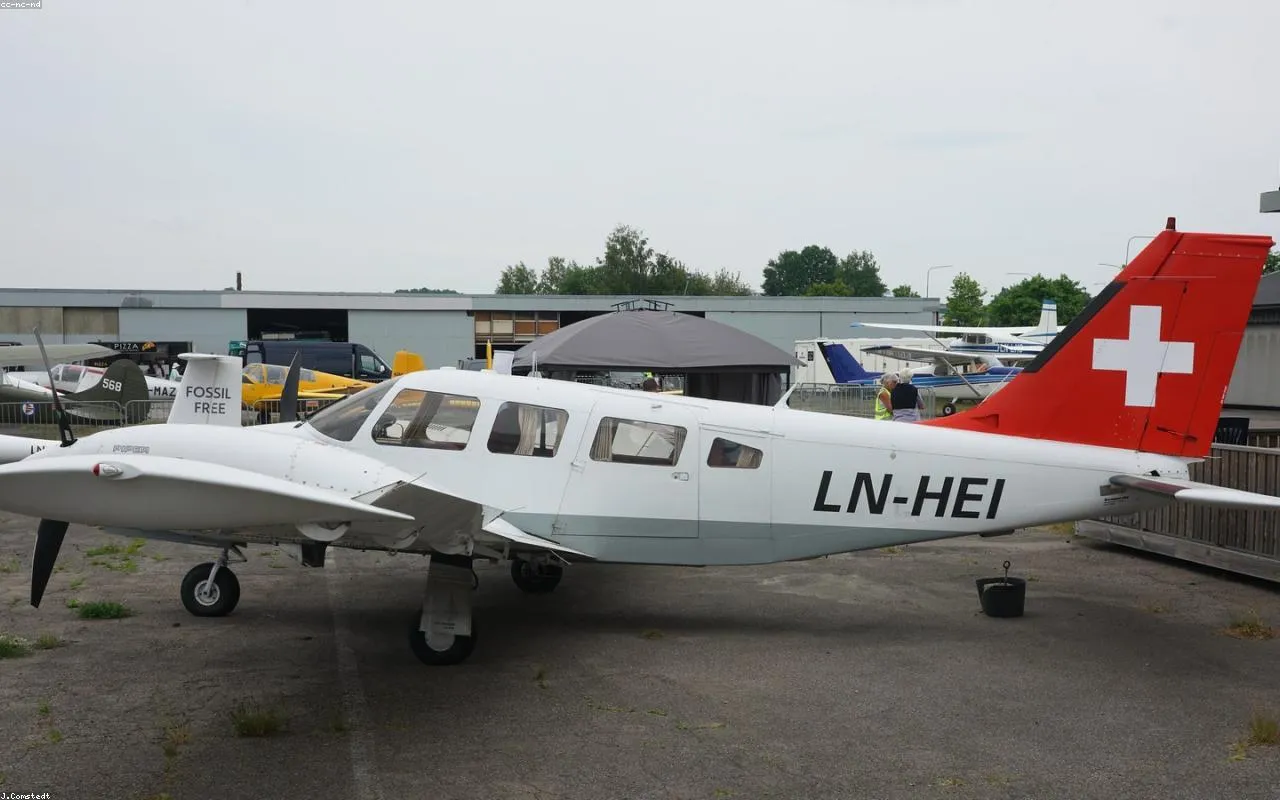
Piper aircraft used for advanced commercial training

Commercial Pilot

Turn your passion into a career

Program Overview

Turn your passion into a career

The Commercial Pilot Certificate is the credential that allows you to fly for compensation or hire. It raises standards from safe private flying to professional-level accuracy, planning, and judgment.

Training emphasizes commercial maneuvers, power-off 180 accuracy landings, chandelles, lazy eights, steep spirals, and advanced systems management while maintaining tighter tolerances.

Students usually complete in 3 to 6 months depending on total time at enrollment and training frequency. This stage prepares you for instructing, charter pathways, and the next professional ratings.

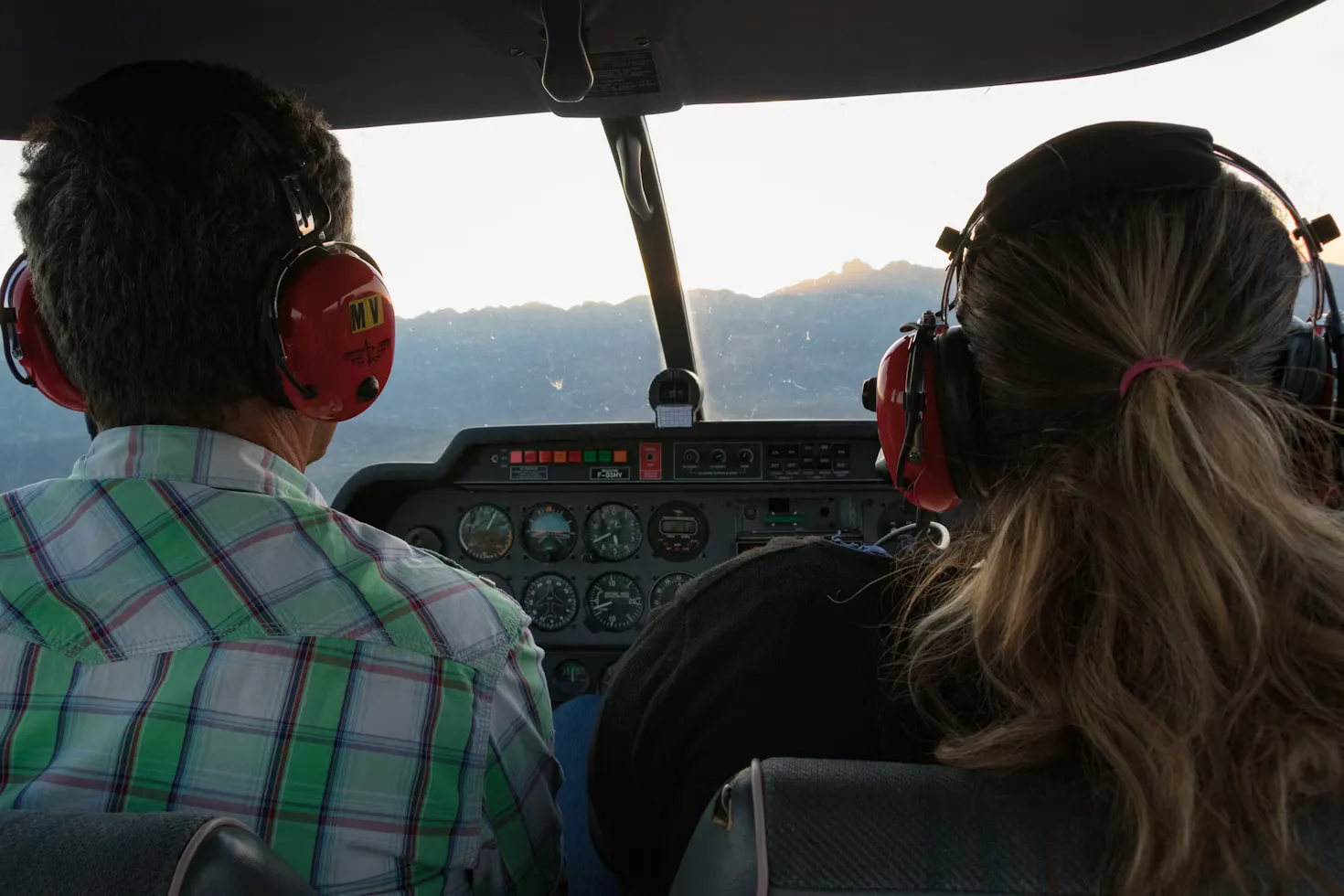
Modern training cockpit with navigation instruments

Requirements

What you need to get started

  • Be at least 18 years old
  • Hold at least a Private Pilot Certificate
  • Meet FAA aeronautical experience minimums
  • Pass the FAA Commercial Pilot Knowledge Test
  • Receive practical-test endorsement
  • Pass the FAA Commercial Pilot practical test

Your Training Path

Six steps to your Commercial Pilot

01

Audit time and eligibility

Review current logbook totals, identify experience gaps, and build a commercial completion plan tied to FAA minimums.

02

Sharpen precision fundamentals

Refine energy management, stabilized approaches, and configuration control to commercial standards.

03

Train commercial maneuvers

Develop repeatable performance in chandelles, lazy eights, steep spirals, and eights on pylons.

04

Master power-off 180s and scenarios

Build consistency in high-consequence landing profiles and scenario-based decision making under pressure.

05

Finalize oral and written prep

Complete knowledge-test requirements and rehearse systems, regulations, weather, and operational case studies.

06

Complete commercial checkride

Pass the FAA oral and flight evaluation and earn your Commercial Pilot Certificate.

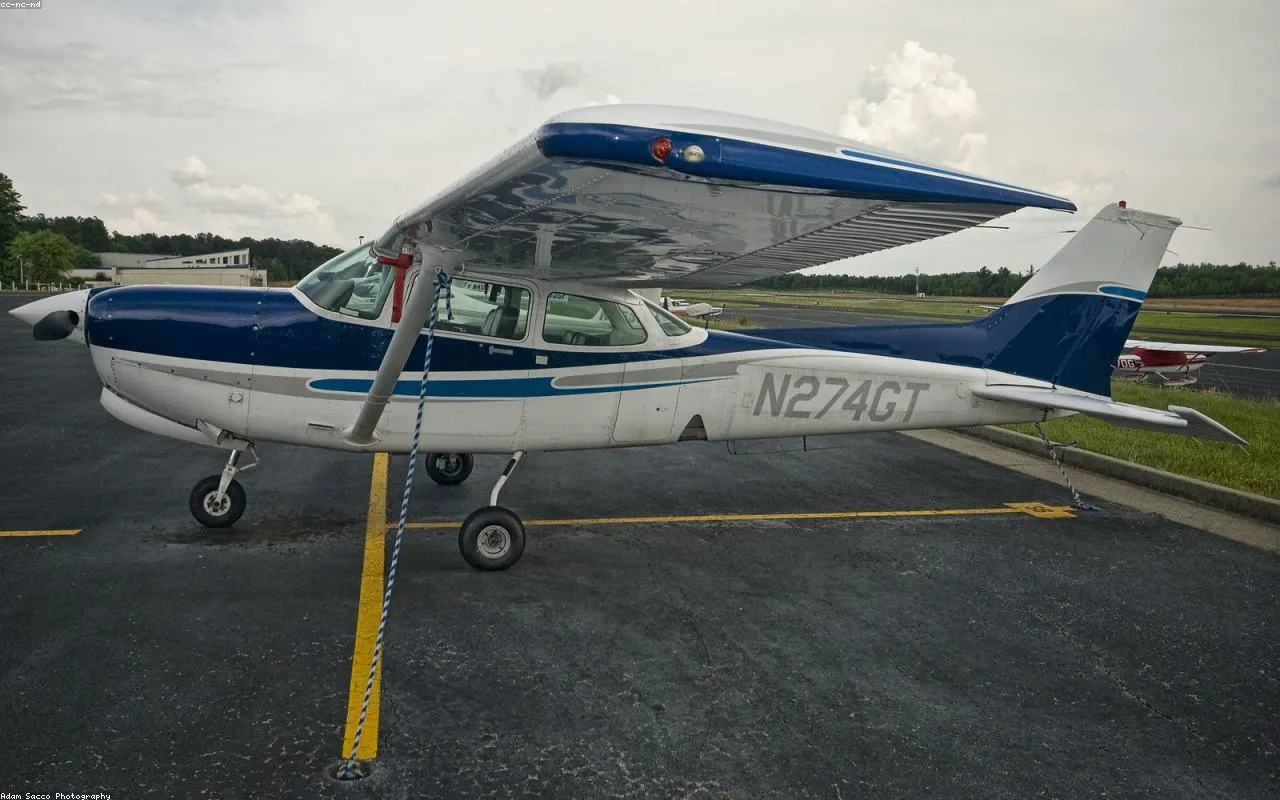
Training aircraft parked on airport ramp at golden hour

Related Programs

Program 01

Private Pilot

Your first certificate — the foundation of everything

The Private Pilot Certificate is where every aviator begins. Over 40+ hours of flight training, you'll master takeoffs, landings, navigation, and airspace. Ground school covers aerodynamics, weather, regulations, and flight planning. Most students complete the program in 3–6 months.

3–6 months 40+ flight hours Starting at $12,000

Program 02

Instrument Rating

Fly through clouds with confidence and precision

The Instrument Rating trains you to fly solely by reference to instruments — essential for bad weather and professional flying. You'll log 40 hours of simulated or actual instrument time, learning approaches, holds, and ATC communication at a deeper level.

2–4 months 40+ instrument hours Starting at $14,000

Program 04

Multi-Engine Rating

Master twin-engine aircraft for advanced operations

The Multi-Engine Rating prepares you for complex, high-performance aircraft with two engines. You'll learn engine-out procedures, Vmc demonstrations, and the systems management required for professional multi-engine operations.

2–4 weeks 10–15 flight hours Starting at $6,000

Start Here

Ready for your first takeoff?

Book a discovery flight and spend 30 minutes flying with an instructor. No previous experience required.

FAQ

Your questions, answered

Can't find what you're looking for? Give us a call or send a message — we're happy to help.

How long does it take to get a private pilot license?

+ -

Most students earn their Private Pilot Certificate in 3 to 6 months, depending on how often they fly. The FAA requires a minimum of 40 flight hours, though the national average is closer to 60–70 hours. We offer flexible scheduling so you can train at a pace that works for your life.

What are the requirements to start flight training?

+ -

You must be at least 16 to solo and 17 to earn your Private Pilot Certificate. You'll need to read and speak English, obtain an FAA medical certificate from an Aviation Medical Examiner (AME), and have the motivation to learn. No prior experience is needed — that's what we're here for.

How much does flight training cost?

+ -

Private Pilot training typically costs between $12,000 and $18,000 depending on how quickly you progress. This includes aircraft rental, instructor fees, ground school materials, and exam fees. We offer transparent pricing with no hidden costs, and financing options are available.

Do you offer financing options?

+ -

Yes. We partner with several aviation financing providers to make flight training accessible. Options include monthly payment plans and flight training loans. Our team can walk you through the available options during your first visit.

What happens during a discovery flight?

+ -

During your 30-minute discovery flight, you'll meet your instructor, do a pre-flight walkthrough of the aircraft, then take the controls for a scenic flight over Austin. You'll practice basic maneuvers like turns and climbs while your instructor handles the rest. It's the best way to find out if flying is right for you.

Can I fly if I wear glasses or have a medical condition?

+ -

Most people can fly. The FAA medical standards are more flexible than many expect. Corrected vision with glasses or contacts is perfectly fine. Many medical conditions that seem disqualifying actually have pathways to certification. We recommend scheduling an appointment with an AME early in the process.

What's the difference between Part 61 and Part 141 training?

+ -

Part 61 offers flexible, individualized training — you progress at your own pace with a personalized curriculum. Part 141 is a more structured, FAA-approved program with a fixed syllabus and reduced hour requirements. John Doe Academy operates under Part 61, giving you the flexibility to train around your schedule.