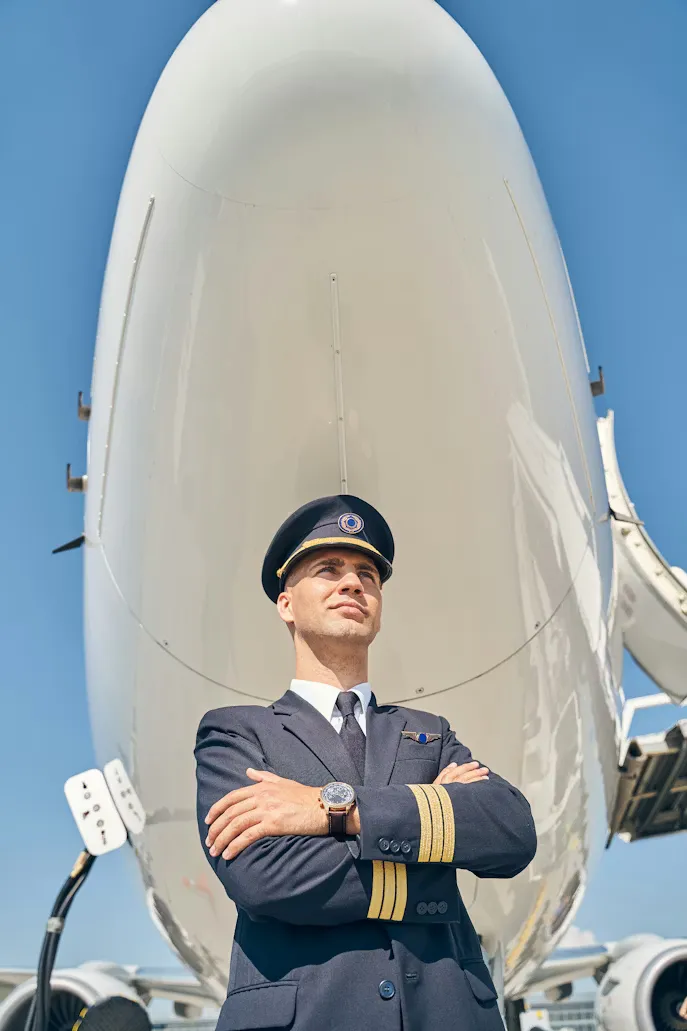
Chief Flight Instructor
Captain David Torres
12,000+ hours. Former regional airline captain. ATP, CFI/CFII/MEI. David founded John Doe Academy with the mission to build the flight school he wished existed when he started.
Austin, Texas · FAA Part 61 Training
Our Story
John Doe Academy was founded in 2005 by Captain David Torres after a 15-year airline career. The idea was simple: build the flight school he wished had existed when he was learning to fly — one that combined professional-grade training with genuine care for each student's individual journey.
Two decades later, that mission hasn't changed. We've trained hundreds of pilots — from weekend flyers who just wanted to see their city from above, to career-track students who are now captains at regional and major airlines.
What makes John Doe Academy different isn't our fleet or our facilities (though we're proud of both). It's our instructors. Every CFI at John Doe Academy teaches because they love it — not because they're building hours on the way to somewhere else. That philosophy shows in our completion rates, our checkride pass rates, and the community our students build here.
20+
Years Operating
500+
Pilots Trained
95%
Checkride Pass Rate
6
Aircraft in Fleet
Our Team
Chief Flight Instructor
12,000+ hours. Former regional airline captain. ATP, CFI/CFII/MEI. David founded John Doe Academy with the mission to build the flight school he wished existed when he started.
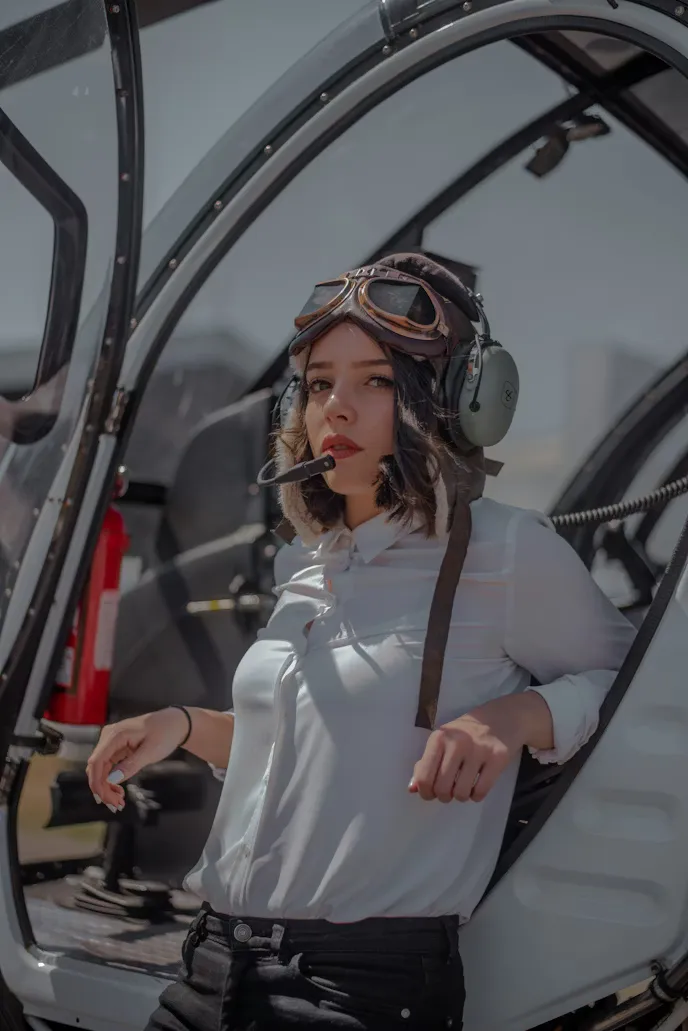
Assistant Chief Instructor
6,000+ hours. Former Part 135 charter pilot. Instrument and multi-engine specialist. Sarah's calm demeanor and structured approach make her a student favorite.
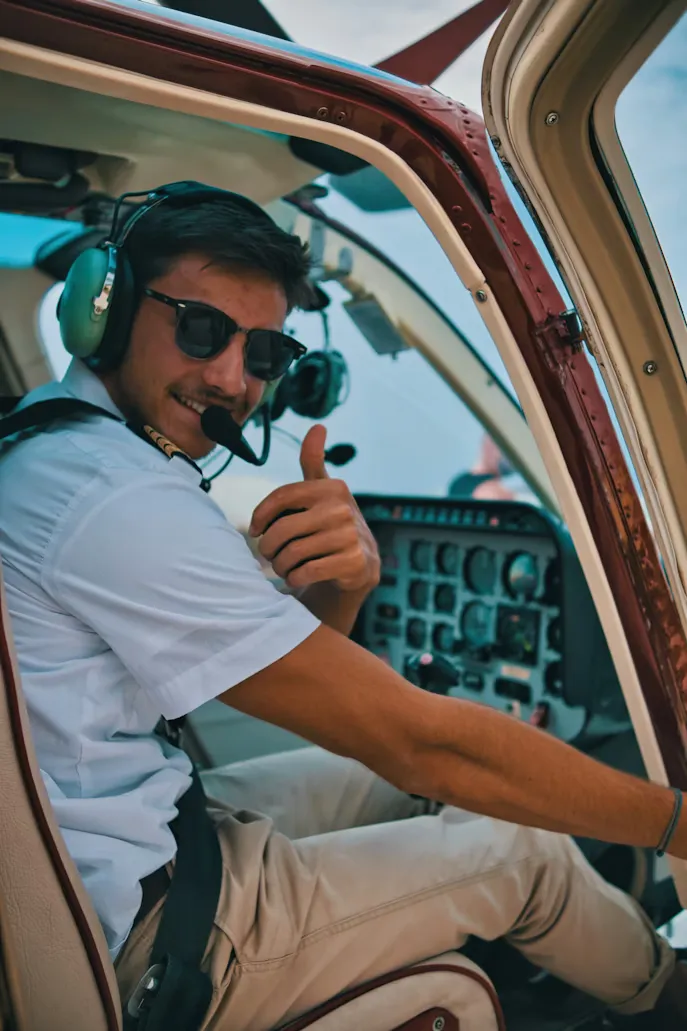
Flight Instructor / CFI-I
2,500+ hours. Instrument rated flight instructor with a background in aerobatics. Marcus brings energy and precision to every lesson, from first flights to checkride prep.
Our Facilities
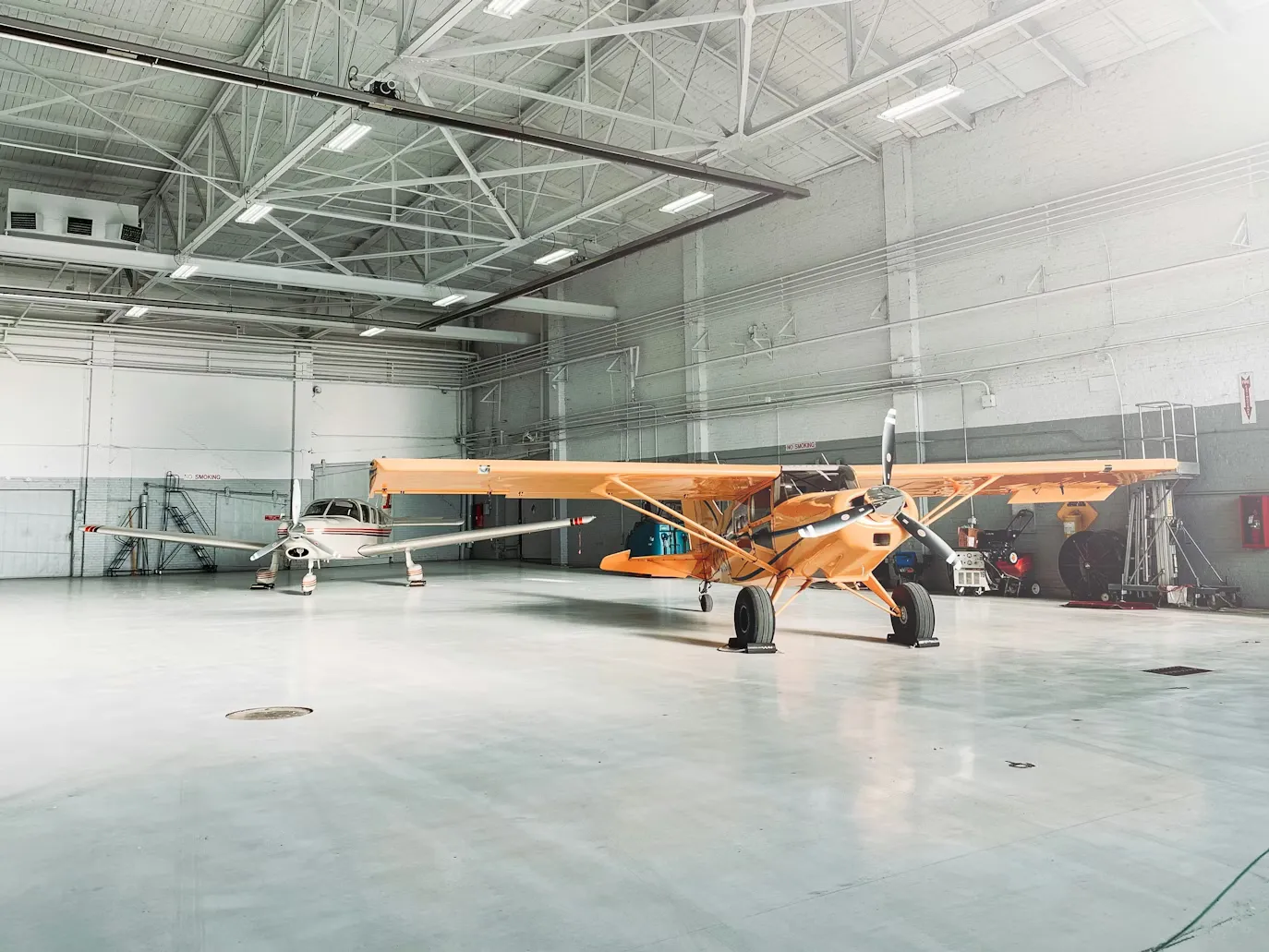
Located at Austin-Bergstrom area's general aviation facilities, John Doe Academy operates from a modern hangar with dedicated briefing rooms, a student lounge, and direct ramp access. Our aircraft are housed on-site — no shuttles, no waiting.
The briefing rooms are equipped for ground instruction and flight planning, with access to current weather data, NOTAMs, and digital chart overlays. We believe the environment where you learn matters as much as how you learn.
Austin's airspace is ideal for training: Class B experience at KAUS, towered and non-towered fields within 30 minutes, and varied terrain from flat prairie to Hill Country that builds genuine cross-country skills.
Start Here
Book a discovery flight and spend 30 minutes flying with an instructor. No previous experience required.
FAQ
Can't find what you're looking for? Give us a call or send a message — we're happy to help.
Most students earn their Private Pilot Certificate in 3 to 6 months, depending on how often they fly. The FAA requires a minimum of 40 flight hours, though the national average is closer to 60–70 hours. We offer flexible scheduling so you can train at a pace that works for your life.
You must be at least 16 to solo and 17 to earn your Private Pilot Certificate. You'll need to read and speak English, obtain an FAA medical certificate from an Aviation Medical Examiner (AME), and have the motivation to learn. No prior experience is needed — that's what we're here for.
Private Pilot training typically costs between $12,000 and $18,000 depending on how quickly you progress. This includes aircraft rental, instructor fees, ground school materials, and exam fees. We offer transparent pricing with no hidden costs, and financing options are available.
Yes. We partner with several aviation financing providers to make flight training accessible. Options include monthly payment plans and flight training loans. Our team can walk you through the available options during your first visit.
During your 30-minute discovery flight, you'll meet your instructor, do a pre-flight walkthrough of the aircraft, then take the controls for a scenic flight over Austin. You'll practice basic maneuvers like turns and climbs while your instructor handles the rest. It's the best way to find out if flying is right for you.
Most people can fly. The FAA medical standards are more flexible than many expect. Corrected vision with glasses or contacts is perfectly fine. Many medical conditions that seem disqualifying actually have pathways to certification. We recommend scheduling an appointment with an AME early in the process.
Part 61 offers flexible, individualized training — you progress at your own pace with a personalized curriculum. Part 141 is a more structured, FAA-approved program with a fixed syllabus and reduced hour requirements. John Doe Academy operates under Part 61, giving you the flexibility to train around your schedule.